Sunshine and Stability: Why Florida Mobile Home Park Ownership is the Ultimate Real Estate Play

SUBMIT YOUR DETAILS FOR
The Florida Dream and the Hidden Goldmine
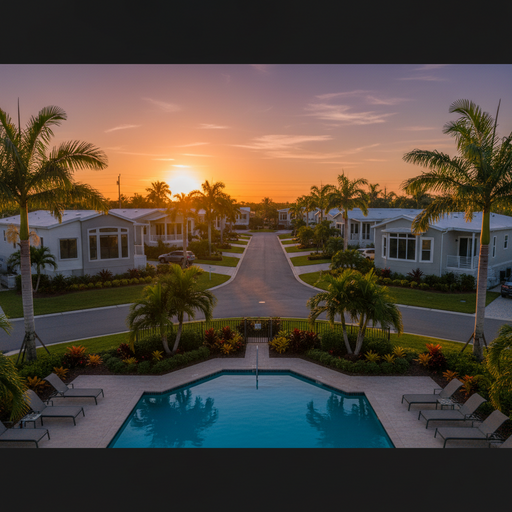
Imagine standing on a sun-drenched patch of land in Central Florida. The air is thick with the scent of orange blossoms and salt water, and the sound of palm fronds rustling in the breeze provides a rhythmic backdrop. Before you lies a neatly organized community of modest homes. To the untrained eye, it’s just another neighborhood. But to a savvy real estate investor, this is a cash-flow machine—a Florida mobile home park (MHP).
For decades, Florida has been the ultimate destination for retirees, snowbirds, and families seeking a lower cost of living. This constant influx of residents has created a unique phenomenon in the real estate market. While luxury condos and sprawling suburban developments grab the headlines, the humble mobile home park has quietly become one of the most resilient and profitable asset classes in the Sunshine State. If you have ever considered entering this niche market, you are not just buying land; you are buying a piece of the American lifestyle transition.
The Power of the Land-Lease Model
The beauty of owning a mobile home park in Florida lies in its primary business model: the land-lease. Unlike traditional apartments where you are responsible for the roof, the toilets, and the paint on every unit, in a typical mobile home park, the residents own their homes and simply rent the dirt they sit on. This shifts the burden of maintenance significantly. As the park owner, your primary concern is the infrastructure—the roads, the utility lines, the landscaping, and the clubhouse.
This model creates a “sticky” tenant base. Moving a mobile home is a logistical nightmare and can cost anywhere from $5,000 to $15,000. Because of these high exit costs, residents are much more likely to stay long-term, providing a level of stability that traditional apartment complexes rarely achieve. In Florida, where the demand for affordable housing is at an all-time high, a well-run park can maintain 100% occupancy for years on end.
Why Florida? The Perfect Demographic Storm
Why is Florida the epicenter for this type of investment? It comes down to three major factors: demographics, tax climate, and the weather. Florida welcomes approximately 1,000 new residents every day. A significant portion of these new arrivals are “Baby Boomers” looking to downsize. They want the Florida lifestyle—proximity to beaches, golf courses, and warm weather—without the million-dollar price tag of a beachfront villa.
Mobile home parks provide that sweet spot. Many parks in Florida are “55+ Communities,” creating a peaceful environment that is highly attractive to retirees. Furthermore, Florida has no state income tax, making it a magnet for wealth. When people move here to protect their retirement savings, they often look for ways to lower their monthly expenses, and mobile home living is the gold standard for high-quality, low-cost housing.
Navigating the Legal Landscape: Florida Statute 723
Before you dive headfirst into ownership, you must understand the rules of the game. In Florida, the relationship between mobile home park owners and residents is governed by Florida Statute 723. This isn’t your standard landlord-tenant law. It is a specific set of regulations designed to protect residents, given the difficulty of moving their homes.
Statute 723 covers everything from rent increases to “Right of First Refusal.” For example, if you decide to sell the park, the Homeowners Association (HOA) of the park often has the right to match an offer and buy the land themselves. While this might sound daunting, it actually provides a structured framework that, when followed correctly, ensures a professional and predictable business environment. Successful owners often hire specialized legal counsel and professional management firms who know these statutes inside and out.
The Hurricane Factor: Resilience and Risk
We caot talk about Florida real estate without mentioning the weather. Hurricanes are a reality of life in the peninsula. For a mobile home park owner, this is often the biggest perceived risk. However, the reality is more nuanced. Modern mobile homes—those built after the mid-90s—are constructed to much stricter HUD codes and are significantly more resilient than older models.
From an ownership perspective, the risk is primarily to the infrastructure and common areas. While individual homeowners are responsible for insuring their units, the park owner must ensure they have robust commercial insurance for the clubhouse, pool, and utility systems. Savvy owners factor these insurance premiums into their operating expenses from day one, ensuring that a storm might be a temporary headache but not a financial catastrophe.
The “Mom and Pop” Opportunity
One of the most exciting aspects of the Florida MHP market is the “value-add” opportunity. A large portion of Florida’s parks are still owned by “Mom and Pop” operators—individuals who have owned the park for 30 or 40 years. Often, these parks are under-managed. The rents might be 40% below market value, the utility billing might be disorganized, and the curb appeal might be lacking.
When an institutional or professional investor takes over such a park, they can implement “professionalization.” This includes:
- Sub-metering water and sewer so residents pay for their actual usage rather than the owner paying a flat commercial bill.
- Implementing online payment systems to improve collections.
- Cleaning up landscaping and repaving roads to increase the park’s value.
- Filling vacant lots with new manufactured homes.
These improvements don’t just help the owner’s bottom line; they improve the quality of life for the residents, creating a safer and more attractive community.
Infrastructure: The Invisible Asset
When you walk through a park, don’t just look at the homes. Look at the ground. The most critical part of your investment is underground. Is the park on city water and sewer, or does it use septic tanks and well water? In Florida, the trend is moving toward municipal coections. Parks on city services are much more valuable because they remove the massive liability and maintenance costs associated with private treatment plants.
During your due diligence phase, you must bring in experts to “scope” the lines. In older Florida parks, you might find orangeburg or clay pipes that are prone to collapse. Replacing a park’s entire sewer system is a million-dollar project. Knowing the health of your infrastructure is the difference between a profitable venture and a money pit.
The Human Element: Building Community
Beyond the spreadsheets and the infrastructure, mobile home park ownership is a people business. You are providing a home for people, often those on fixed incomes. The best owners in Florida understand that a happy community is a profitable one. Organizing social events in the clubhouse, maintaining a clean swimming pool, and being responsive to resident concerns reduces turnover and fosters a sense of pride in the neighborhood.
In Florida, the “Park Culture” is strong. Residents often watch out for each other, forming tight-knit bonds. When an owner respects that culture and invests in the communal aspects of the park, they create an asset that is shielded from market volatility. People will always need a place to live, but they will stay forever in a place where they feel they belong.
Conclusion: A Bright Future for Florida Parks
Owning a mobile home park in Florida is not “set it and forget it” real estate. It requires a deep understanding of local laws, a proactive approach to maintenance, and a genuine interest in community management. However, for those willing to do the work, the rewards are immense. You get to play a vital role in solving the affordable housing crisis while benefiting from one of the most stable cash-flow models in existence.
As the sun sets over the Gulf of Mexico, casting a golden hue over a row of well-maintained manufactured homes, the value proposition is clear. Florida isn’t just a place people visit; it’s a place they come to stay. And as long as they need a place to call home under the palms, mobile home park owners will continue to find success in the Sunshine State.


