The Art of the First Impression: A Deep Dive into Custom Exterior Architectural Styling for Modern Living

SUBMIT YOUR DETAILS FOR
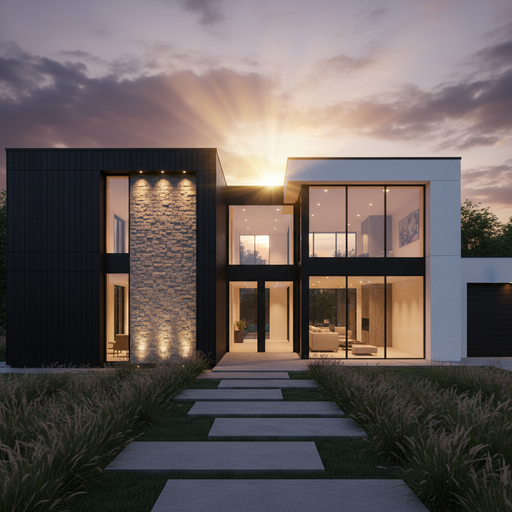
Imagine walking down a quiet suburban street where every house looks like a carbon copy of the next. The same beige siding, the same standard windows, and the same predictable rooflines. But then, you turn a corner and see something that stops you in your tracks. It is a home that doesn’t just sit on the lot; it commands it. It features a unique blend of charred wood siding, sleek black metal accents, and floor-to-ceiling glass that reflects the golden hour sun. This isn’t just a building; it is a statement. This is the power of custom exterior architectural styling.
For many homeowners, the exterior of a house is often an afterthought, treated as a mere shell to protect what is inside. However, in the world of high-end design, the exterior is the “handshake” of the home. It is the first impression that tells the world who you are before they ever step through the front door. Whether you are building from scratch or plaing a massive renovation, understanding the nuances of custom styling can transform a standard structure into a breathtaking masterpiece.
Understanding the Core of Custom Architectural Styling
Custom exterior architectural styling is the deliberate process of selecting materials, shapes, colors, and textures to create a cohesive aesthetic that reflects a specific vision. It goes beyond mere decoration; it is about the “bones” of the building. It involves looking at the massing—how the different blocks of the house fit together—and the rhythm of the windows and doors.
When we talk about custom styling, we are talking about a tailored suit versus something off the rack. A tailored exterior takes into account the surrounding landscape, the way light hits the facade at different times of day, and the personal story of the inhabitants. It is a marriage of form and function where every bracket, beam, and stone is chosen with intention.
Finding Your Architectural Language
Before you dive into material samples, you must first define your architectural language. Are you drawn to the clean, sharp lines of Minimalism? Do you prefer the warmth and craftsmanship of a Modern Farmhouse? Or perhaps you are inspired by the rugged, raw feel of Industrial-Chic design?
The Modern Minimalist
Minimalism is all about “less is more.” In custom styling, this manifests as flat rooflines, large expanses of glass, and a monochromatic color palette. The beauty here lies in the precision of the execution. There is nowhere to hide mistakes, so the quality of materials—like smooth-finish concrete or high-grade steel—is paramount.
The Transitional Masterpiece
Transitional styling is perfect for those who love traditional shapes but want a contemporary edge. Picture a classic gabled roof but finished in standing-seam metal instead of asphalt shingles. It is about taking the familiar and giving it a modern twist, using natural stone paired with oversized, black-framed windows.
The Organic Modernist
This style focuses on blending the home into its natural environment. It utilizes “living” materials like cedar, redwood, and natural stone that patina over time. The goal is to make the house look as though it grew out of the earth rather than being placed upon it.
The Power of Material Layering
One of the biggest secrets to a high-end exterior is material layering. Using a single material for the entire house often results in a flat, uninspired look. Professional designers use a mix of textures to create visual depth and interest.
- Natural Stone: Whether it is stacked slate or large limestone blocks, stone provides a sense of permanence and weight. It is often used at the base of a home to “ground” it.
- Wood Accents: Wood brings warmth. Using Ipe or thermally modified timber under the eaves or around the entrance can soften the harshness of concrete or metal.
- Metal Paneling: Metal adds a sleek, industrial vibe. It is incredibly durable and can be used to highlight specific architectural features, like a bump-out or a chimney stack.
- Glass as a Material: In custom styling, glass isn’t just for looking out; it’s a design element. Corner windows or “glass curtains” break up the solidity of the walls and create a sense of lightness.
Color Palettes: Moving Beyond Neutral
While whites and grays have dominated the scene for years, custom architectural styling is moving toward bolder, more sophisticated palettes. Dark, moody exteriors—think charcoal, navy, or even matte black—are becoming increasingly popular because they allow the greenery of the landscape to pop vividly.
However, the key to a successful dark exterior is contrast. A matte black house with warm oak accents and copper downspouts looks intentional and luxurious. Without those contrasting elements, the house might look like a dark void. Understanding the LRV (Light Reflectance Value) of your paint choices is crucial to ensuring your home doesn’t absorb too much heat while still looking sharp.
The Role of Lighting in Architectural Drama
A custom-styled home should look just as good, if not better, at night. Architectural lighting is the “jewelry” of the home’s exterior. It isn’t just about safety; it’s about drama and highlighting the features you’ve invested in.
Up-lighting a textured stone wall creates beautiful shadows and highlights. Linear LED strips tucked under stair treads or along rooflines can emphasize the home’s geometry. Path lighting should be subtle, guiding the eye toward the main entrance, which is usually the focal point of the entire design. When lighting is done correctly, the house glows from within, appearing inviting and secure.
Integrating Landscape with Architecture
You caot talk about custom exterior styling without mentioning the landscape. A house and its yard should be in constant conversation. This is often achieved through “hardscaping”—the use of pavers, retaining walls, and decks that mimic the materials used on the house itself.
For example, if your home features large concrete panels, incorporating oversized concrete pavers in the driveway or walkway creates a sense of continuity. If you have used horizontal wood siding, perhaps a horizontal slat fence in the same species of wood would tie the entire property together. This holistic approach ensures that the styling doesn’t stop at the walls but extends to the very edge of the property line.
Sustainability Meets Style
Modern custom styling is also increasingly focused on sustainability. Today’s homeowners want beauty that lasts and respects the environment. This includes the use of reclaimed materials, solar-integrated roofing, and high-performance insulation systems that are hidden behind beautiful facades.
“Green walls” or vertical gardens can also be integrated directly into the architectural styling. Imagine a sleek, white stucco wall partially covered by a lush, engineered trellis system. It provides natural cooling and a stuing visual contrast that changes with the seasons.
The Process: Bringing the Vision to Life
Achieving a custom look requires a collaborative process between the homeowner, the architect, and the builder. It starts with a mood board—collecting images, textures, and colors that resonate with you. From there, 3D renderings are essential. They allow you to see how different materials interact before a single nail is driven.
Don’t be afraid to experiment during the design phase. Maybe that “crazy” idea of using rusted Corten steel for the front gate is exactly what the project needs to stand out. Custom styling is about taking calculated risks to create something truly unique.
Conclusion
Custom exterior architectural styling is more than just a renovation project; it is an investment in your lifestyle and the long-term value of your property. By moving away from “cookie-cutter” designs and embracing a thoughtful mix of materials, colors, and lighting, you create a home that is a true reflection of your personality.
In the end, a well-styled exterior does more than just provide shelter. It inspires the people who live inside and delights the people who pass by. It is the physical manifestation of the idea that design matters. So, as you look at your own home or plan your next build, ask yourself: what story do I want my house to tell? With custom architectural styling, the possibilities are as limitless as your imagination.


