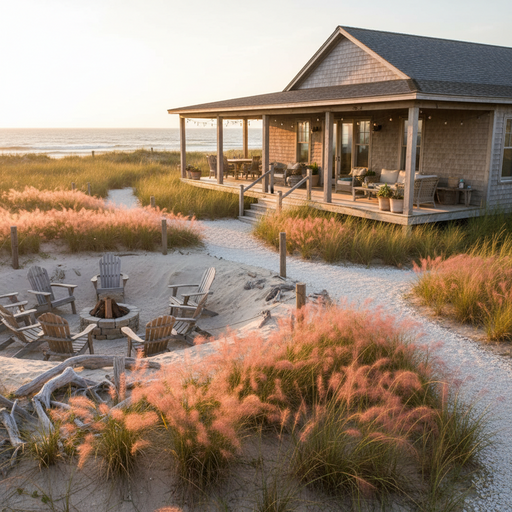
From Sandy Shores to Your Front Door: Enchanting Coastal Ranch Home Landscaping Concepts for the Modern Homeowner

SUBMIT YOUR DETAILS FOR
The Dream of the Shoreline Ranch
Imagine waking up to the gentle sound of distant waves and the invigorating scent of salt spray carried by a morning breeze. You step out onto your patio, coffee in hand, and instead of a high-maintenance lawn that demands constant attention, you are greeted by a landscape that feels like a natural extension of the beach. This is the essence of coastal ranch home landscaping. It is not just about planting a few shrubs; it is about creating a lifestyle that celebrates the intersection of laid-back ranch living and the untamed beauty of the coast.
Coastal ranch homes are unique. They are characterized by their single-story, sprawling silhouettes and an emphasis on indoor-outdoor flow. However, the environment they inhabit can be challenging. Between the salt-heavy air, the intense sun, and the sandy soil, traditional gardening methods often fail. That is why we need to look at landscaping through a different lens—one that prioritizes resilience, texture, and a sense of effortless grace. In this guide, we will explore how to transform your outdoor space into a coastal sanctuary that feels both curated and wild.
Embracing the Natural Palette of the Coast
The first step in any coastal ranch project is to look at the colors already present in your environment. The most successful designs mimic the hues of the beach: the soft grays of weathered driftwood, the pale yellows of sea oats, the deep blues of the ocean, and the pristine whites of crushed shells. By sticking to a natural palette, your home will feel like it was born from the dunes rather than placed on top of them.
When choosing materials for your hardscaping—your paths, walls, and patios—opt for textures that tell a story. Instead of dark, heavy asphalt or polished marble, consider limestone pavers or weathered flagstone. These materials stay cooler under the summer sun and develop a beautiful patina over time, echoing the rugged charm of the coastline. The goal is to avoid anything too “fussy” or formal. A coastal ranch should feel lived-in and welcoming, not stiff or untouchable.
Planting for Resilience: The Heroes of the Salt Air
One of the biggest hurdles for coastal homeowners is finding plants that can survive the harsh conditions. Salt spray can “burn” the leaves of many popular garden plants, and sandy soil drains so quickly that many species struggle to stay hydrated. The secret to a thriving coastal garden lies iative plants and salt-tolerant varieties.
The Beauty of Ornamental Grasses
Nothing says “coastal” quite like the sight of tall grasses swaying in the wind. Species like Sea Oats (Uniola paniculata), Muhly Grass (Muhlenbergia capillaris), and Fountain Grass provide movement and sound to your landscape. They are incredibly hardy, requiring very little water once established, and their deep root systems help stabilize the sandy soil of a coastal lot. In the late afternoon, when the sun hits the seed heads of Pink Muhly Grass, your yard will glow with a magical, ethereal light.
Textural Succulents and Shrubbery
For a coastal ranch, you want plants that offer visual interest throughout the year. Succulents like Agave and Aloe are perfect for adding architectural structure. Their thick, waxy leaves are naturally designed to hold moisture and withstand the heat. Pair these with shrubs like Rosemary or Oleander. Rosemary, in particular, is a coastal superstar; it thrives in poor soil, loves the sun, and fills your garden with a Mediterranean aroma that pairs beautifully with the salty air.
Designing the “Outdoor Living Room”
The beauty of a ranch home is its ability to blur the lines between inside and out. To truly embrace the coastal ranch lifestyle, you must treat your backyard as an extension of your living room. This is where memories are made—summer barbecues, stargazing sessions, and quiet afternoons with a book.
Start by creating a focal point. A sunken fire pit area is a classic choice for coastal homes. Imagine a circular seating area tucked into a small dune, surrounded by Adirondack chairs. Whether you use a traditional wood-burning pit or a sleek gas-powered version, the fire provides warmth during those chilly coastal nights and serves as a natural gathering spot for friends and family.
For your patio flooring, consider using pea gravel or decomposed granite. These materials are cost-effective, provide excellent drainage, and make a satisfying “crunch” underfoot that reminds one of walking along a shoreline path. Define the space with large planters filled with vibrant bougainvillea to add a pop of tropical color against the neutral tones of the house.
Hardscaping with a Coastal Twist
Hardscaping in a coastal ranch environment should feel organic. Straight lines and sharp corners often feel out of place near the ocean. Instead, opt for winding paths that mimic the natural curves of a shoreline. You can create these paths using a variety of materials that reflect the sea.
- Crushed Shell Paths: Using crushed oyster or scallop shells is a quintessential coastal move. They are sustainable, provide great drainage, and brighten up shaded areas of the yard.
- Driftwood Accents: Large pieces of bleached driftwood can serve as natural sculptures. Nestled among grasses or used as a border for a garden bed, driftwood adds a sense of history and “found” beauty to the landscape.
- Weathered Wood Decking: If you are building a deck, choose woods like Ipe or Cedar, or high-quality composites that mimic the look of graying, sun-bleached timber.
The Importance of Lighting and Ambiance
As the sun sets over the water, your coastal ranch should transform into an enchanted retreat. Lighting plays a crucial role in this transition. The key is to keep it subtle. You want to avoid harsh floodlights that wash out the natural beauty of the night sky.
Use low-voltage LED path lights to guide guests along your shell-lined walkways. Uplighting a few select palm trees or architectural succulents can create dramatic shadows and highlight the unique textures of your plants. For the social areas, string lights—often called “cafe lights”—draped over a pergola or between posts provide a soft, festive glow that encourages long conversations under the stars.
Sustainable Seascapes: Landscaping with a Conscience
Modern coastal landscaping is moving away from the “perfect green lawn” and toward more sustainable, eco-friendly practices. In coastal areas, excess fertilizer can runoff into the ocean, harming local marine ecosystems. By choosing native plants, you significantly reduce the need for chemicals and supplemental watering.
Xeriscaping—a landscaping method that requires little to no irrigation—is perfectly suited for the coastal ranch. By utilizing mulch, gravel, and drought-resistant plants, you can create a stuing garden that conserves water and survives the toughest droughts. Not only is this better for the planet, but it also gives you more time to actually enjoy your home rather than spending every weekend mowing and weeding.
Conclusion: Your Shoreline Sanctuary Awaits
Creating a coastal ranch landscape is a journey of discovery. It is about learning to work with the elements rather than fighting against them. By embracing the textures of the sand, the resilience of native flora, and the relaxed architecture of the ranch home, you can create a space that feels both timeless and refreshing.
Your outdoor space should be a reflection of the horizon—open, peaceful, and full of possibility. Whether you are starting with a blank slate or looking to refresh an existing yard, remember that the most beautiful coastal gardens are those that feel effortless. Let the wind move the grass, let the shells crunch under your feet, and let your coastal ranch become the sanctuary you have always dreamed of.


