Chasing the Pacific Dream: Why Interest in California Coastal Housing Remains Unstoppable

SUBMIT YOUR DETAILS FOR
The Timeless Allure of the Golden Shore
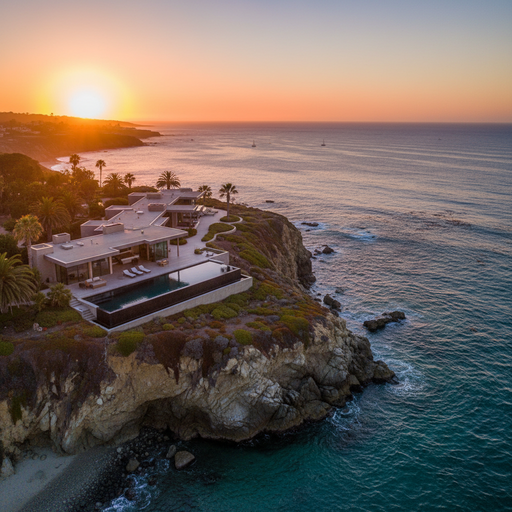
There is a specific kind of magic that happens when the sun begins to dip below the horizon of the Pacific Ocean, painting the sky in hues of burnt orange, violet, and gold. For decades, this daily spectacle has been more than just a view; it has been the ultimate symbol of the American Dream. Living along the California coast is not merely about owning real estate; it is about embracing a lifestyle that blends rugged natural beauty with a sense of infinite possibility. From the misty cliffs of Mendocino to the sun-drenched surf breaks of San Diego, the interest in coastal housing remains a powerful force in the real estate market, defying economic cycles and high price tags.
But what is it that keeps people coming back to the water’s edge? Is it the health benefits of the “blue mind” effect, where being near water lowers stress? Is it the prestige of a Malibu zip code? Or is it the simple, human desire to wake up to the sound of crashing waves? To understand the current state of California coastal housing interest, we have to look past the numbers and into the stories of those who seek a life by the sea. It is a journey of aspiration, limited supply, and an enduring love affair with the West Coast.
The Supply and Demand Paradox
In most real estate markets, when prices go up, demand eventually cools. California’s coastline, however, operates on a different set of rules. The primary driver of interest is a simple geographic reality: they aren’t making any more coastline. Hemmed in by the ocean on one side and mountains or urban sprawl on the other, the amount of available land for new housing is incredibly small.
This scarcity is further intensified by the California Coastal Act of 1976. While this legislation was designed to protect the environment and ensure public access to the beaches, it also made it notoriously difficult to build new homes. Every new project must go through rigorous environmental reviews and meet strict zoning requirements. For a potential homeowner, this means that every existing coastal home is a rare gem. When you buy a house in a place like Laguna Beach or Santa Barbara, you aren’t just buying a building; you are buying a piece of a finite resource that is guarded by some of the strictest land-use laws in the country.
A Shift in Lifestyle Priorities
In recent years, we have seen a significant shift in why people are interested in coastal living. Before the pandemic, many coastal homes were secondary residences or vacation getaways for the wealthy. Today, the rise of remote work has transformed these areas into primary residences. Professionals who used to be tethered to high-rise offices in downtown San Francisco or Los Angeles are now looking for homes where their “office view” is a panoramic shot of the Pacific. This transition from seasonal interest to year-round demand has kept the market incredibly competitive, even as interest rates have fluctuated.
The Most Coveted Pockets of the Coast
California’s coastline is vast, stretching over 840 miles, and each region offers a different flavor of the coastal dream. The interest in housing varies depending on what a buyer is looking for—whether it is the high-energy vibe of Southern California or the quiet, artistic soul of the Central Coast.
- Southern California (SoCal): This is the land of luxury and iconic surf culture. Areas like Newport Beach, La Jolla, and Malibu continue to see record-breaking interest. Here, the draw is the perfect climate and the proximity to world-class dining and entertainment.
- The Central Coast: For those who want to escape the hustle, towns like Carmel-by-the-Sea and San Luis Obispo offer a more rustic, Mediterranean feel. The interest here is driven by retirees and those seeking a slower pace of life amidst vineyards and dramatic sea cliffs.
- Northern California (NorCal): The rugged coastline of Marin County and the Monterey Peninsula offers a moodier, more dramatic version of the dream. High-net-worth individuals are often drawn to the privacy and natural grandeur of places like Pebble Beach or Sea Ranch.
The Financial Reality of Coastal Living
It is impossible to discuss coastal housing without addressing the elephant in the room: the cost. California boasts some of the most expensive zip codes in the United States. However, for many buyers, the interest is fueled by the perception of these homes as “safe haven” investments. Historically, coastal property in California has shown remarkable resilience. Even during market downturns, beachfront and ocean-view properties tend to hold their value better than inland suburban tracts.
Investors and homeowners alike see the California coast as a “legacy asset.” This is a property intended to be kept in the family for generations. This long-term perspective changes the math for many buyers. They aren’t just looking at the monthly mortgage payment; they are looking at the 30-year appreciation potential and the intangible value of family memories made on the sand.
The Rise of “Climate Conscious” Buying
As interest in coastal housing grows, so does the awareness of environmental challenges. Potential buyers are becoming more sophisticated. They are asking about bluff stability, sea-level rise, and insurance availability. This has led to a new trend in coastal architecture: the “resilient home.” We are seeing more interest in homes built with sustainable materials, elevated foundations, and advanced drainage systems. The modern coastal buyer isn’t ignoring the environment; they are looking for ways to live in harmony with it, ensuring their investment stands the test of time and tide.
Navigating the Emotional Journey of a Buyer
Imagine a couple from the Midwest who has spent thirty years dreaming of retiring to the California coast. Their interest isn’t driven by ROI or cap rates; it’s driven by the memory of a honeymoon in Big Sur or a childhood vacation in Santa Monica. For them, the search for a coastal home is an emotional marathon. They browse Zillow at night, tracking the “Price Cut” badges and “New Listing” alerts like hunters tracking prey.
When they finally step onto a balcony and feel the salt spray on their faces, the logic of “price per square foot” often takes a backseat to the feeling of “I have finally arrived.” This emotional coection is the secret sauce of the California real estate market. It creates a floor for demand that rarely drops, regardless of what the Federal Reserve does with interest rates. People don’t just want a house; they want the version of themselves that lives in that house—healthier, calmer, and more coected to nature.
Challenges on the Horizon
While interest is at an all-time high, the path to coastal homeownership is fraught with hurdles. Beyond the high prices, buyers must navigate complex insurance landscapes. In some high-risk fire or erosion areas, obtaining traditional homeowners’ insurance has become a challenge, forcing buyers to look toward specialized providers or the California FAIR Plan. Additionally, the ongoing debate over “short-term rentals” in coastal towns like Dana Point or Santa Cruz adds another layer of complexity for those looking to offset their mortgage with Airbnb income.
Despite these challenges, the queue of buyers remains long. There is a sense of urgency among many—a feeling that if they don’t buy now, they will be priced out of the dream forever. This “now or never” mentality continues to spark bidding wars even in a cooling broader economy.
Conclusion: The Enduring Legacy of the Pacific Edge
At the end of the day, California coastal housing interest is a reflection of our collective values. It represents a desire for beauty, a respect for nature, and a commitment to a certain quality of life that is hard to find anywhere else in the world. While the market faces challenges from climate change and affordability, the magnetic pull of the ocean remains as strong as ever.
For as long as the waves keep rolling in, people will keep looking toward the horizon, dreaming of a place to call home where the land meets the sea. Whether it’s a modern glass mansion in Malibu or a weathered cottage in Pacifica, the California coast remains the ultimate destination for those who believe that life is simply better at the water’s edge. The dream isn’t dying; it’s simply evolving, becoming more precious with every passing tide.


