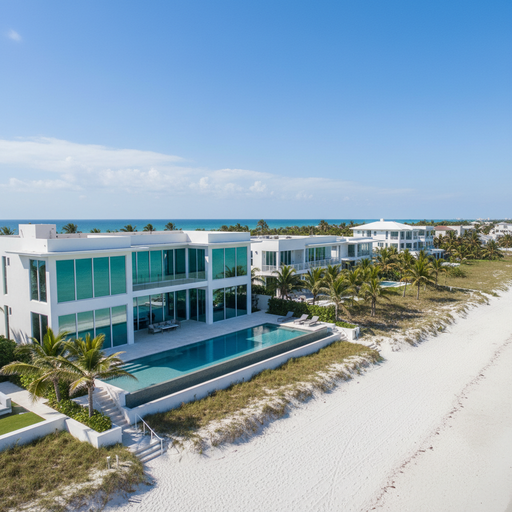
Your Dream Shoreline: A Comprehensive Guide to Navigating Florida Coastal Housing Listings

SUBMIT YOUR DETAILS FOR
The Allure of the Salt Life
Imagine waking up to the gentle rhythm of the Atlantic crashing against the shore, or watching the sun dip below the horizon of the Gulf of Mexico, painting the sky in hues of violet and gold. For many, this isn’t just a vacation fantasy—it is the daily reality of living in Florida. Florida coastal housing listings are more than just advertisements for property; they are invitations to a lifestyle defined by sand, salt, and sunshine. Whether you are a retiree looking for a peaceful sanctuary or a young professional seeking the vibrant energy of a seaside city, the Florida coast offers a diverse palette of living options.
Searching for the perfect coastal home can feel like looking for a needle in a haystack of paradise. With over 1,300 miles of coastline, the options are seemingly endless. From the rugged, natural beauty of the Panhandle to the glitz and glamour of Miami Beach, each region has its own personality, architectural style, and price point. In this guide, we will walk through the intricacies of Florida’s coastal market, helping you decode the listings and find a place where the ocean is your backyard.
Understanding the Regions: Which Coast Suits You?
Florida’s coastline is not a monolith. Before you dive deep into the housing listings, you need to decide which “version” of Florida fits your dream. The state is generally divided into several distinct coastal regions, each offering a unique living experience.
The Emerald Coast (The Panhandle)
Located in the northwest, the Emerald Coast is famous for its sugar-white quartz sand and emerald-green waters. Here, listings often feature charming beach cottages in plaed communities like Seaside or luxury high-rises in Destin. The vibe is a bit more “Southern hospitality” meets coastal luxury. It’s a favorite for families and those who enjoy a slightly more seasonal change in temperature compared to South Florida.
The Cultural Coast (Sarasota and the Gulf)
On the western side of the state, the Gulf Coast offers calmer waters and world-class sunsets. Places like Sarasota, Naples, and Fort Myers are known for their sophisticated arts scenes, high-end shopping, and manicured waterfront estates. Listings here often emphasize “canal-front” living, where you can dock your boat right behind your house and have direct access to the Gulf.
The Gold Coast (Southeast Florida)
This is the Florida most people see in movies. From Palm Beach down to Miami, the Gold Coast is fast-paced, international, and luxurious. Housing listings here often feature sleek, modern condos with floor-to-ceiling glass walls or historic Mediterranean-style mansions. If you want to be steps away from five-star dining and a bustling nightlife, this is your zone.
The First Coast and Space Coast (The Atlantic North)
St. Augustine and Cocoa Beach offer a more laid-back, historic, and sometimes more affordable entry point into coastal living. The Atlantic waves here are better for surfing, and the listings often include older, character-filled homes nestled under ancient oak trees draped in Spanish moss.
Decoding the Fine Print in Coastal Listings
When you start browsing Florida coastal housing listings, you’ll notice specific terminology that you won’t find in inland real estate. Understanding these terms is crucial to making an informed decision.
- Direct Waterfront vs. Water View: Don’t be fooled by the photos. “Direct Waterfront” means your property line touches the water. “Water View” could mean you can see a sliver of the ocean if you stand on your tiptoes on the balcony. Always verify the proximity.
- RIP (Riparian Rights): This refers to the rights of a landowner whose property borders a body of water. It’s essential for knowing if you can build a dock or if the public has access to the beach in front of your home.
- Impact Windows and Doors: In Florida, hurricane readiness is a top priority. Listings that highlight “Impact-rated” features are highly desirable because they offer protection and often lead to lower insurance premiums.
- HOA and Condo Fees: Coastal properties often come with higher maintenance costs due to the salt air. Listings will list HOA (Homeowners Association) or COA (Condo Owners Association) fees. Ensure you know what these cover—many include exterior maintenance, flood insurance, and amenities like pools or private beach access.
The Hidden Costs of Paradise
While the list price of a coastal home might look attractive, living by the sea comes with unique financial considerations. As you look through listings, keep a “shadow budget” in mind for the following:
Flood and Wind Insurance
Standard homeowners insurance rarely covers flood damage. In Florida, if you are in a designated flood zone (which most coastal homes are), you will need separate flood insurance. Additionally, windstorm insurance is often a separate line item. These can add several thousand dollars to your aual carrying costs.
Salt Air Maintenance
The very thing we love—the sea breeze—is incredibly harsh on physical structures. Salt air can corrode metal, wear down paint, and impact HVAC systems much faster than in inland areas. When viewing a listing, look for the age of the roof and the AC unit. If they are older, you might be facing a replacement sooner than you think.
How to Search Like a Pro
To find the best deals in Florida coastal housing, you have to look beyond the major portals like Zillow or Realtor.com. While these are great starting points, the most competitive “pocket listings” are often held by local boutique agencies that specialize in specific zip codes.
Consider setting up alerts for specific keywords such as “unobstructed views,” “deep water dockage,” or “deeded beach access.” Furthermore, don’t ignore the “fixer-upper” listings. Many older Florida bungalows from the 1960s and 70s sit on prime coastal lots. While the house might need a total renovation, the value of the land in a coastal zone is a solid long-term investment.
The Emotional Journey: Finding “The One”
Buying a home on the coast is rarely a purely logical decision; it’s an emotional one. It’s about the feeling of sand between your toes and the smell of jasmine on a humid summer night. When you visit these properties, take a moment to walk the neighborhood. Is the beach crowded? Can you hear the highway over the waves? Is there a local coffee shop where people know each other?
The storytelling of your life changes when you move to the coast. Your weekends are no longer spent at the mall; they are spent on a paddleboard. Your “fancy” clothes shift from wool suits to linen shirts. Florida coastal housing isn’t just about square footage; it’s about the expansion of your lifestyle.
Conclusion: Making Your Move to the Shore
The Florida coastal housing market remains one of the most dynamic and desirable in the world. While the process of navigating listings, understanding insurance, and choosing a region can seem daunting, the reward is a life lived in harmony with the sea. Whether you choose the emerald waters of the Panhandle or the vibrant shores of Miami, your perfect coastal home is out there waiting.
Start your search with an open mind and a clear list of priorities. Do you need a dock? Is a sunset view non-negotiable? Once you define your “must-haves,” the right listing will practically jump off the screen. Welcome to the sunshine state—your beach chair is waiting.


