
SUBMIT YOUR DETAILS FOR
Beyond the Ordinary: Unleashing Your Home’s Potential with Custom Facade Design
Imagine driving up to your home. What’s the first thing you see? What feeling does it evoke? For many, their home’s exterior is simply a structure, a necessary shell. But what if it could be so much more? What if it could be a statement, a reflection of your unique style, a true masterpiece that stands out beautifully in your neighborhood?
Your home’s facade is its handshake with the world, its first impression. In a world increasingly filled with cookie-cutter designs, the idea of a custom exterior facade is gaining immense popularity. It’s about moving beyond standard options and embracing creativity to craft an exterior that not only protects but also profoundly expresses. If you’re dreaming of a home that tells a story, that captivates and inspires, then you’ve arrived at the right place. We’re about to embark on a journey to explore the endless possibilities of custom facade inspiration, turning dreams into tangible, stuing realities.
More Than Just Walls: Understanding the Power of a Custom Facade
When we talk about a “facade,” we’re referring to the principal front or face of a building. But in the context of custom design, it encompasses everything that contributes to your home’s exterior aesthetic and function. This includes the materials, colors, textures, window and door placements, rooflines, and even how it interacts with the surrounding landscape. A custom facade isn’t just about superficial beauty; it’s an integrated design approach that offers a multitude of benefits:
- Unmatched Curb Appeal: A unique facade dramatically elevates your home’s visual appeal, making it a standout.
- Increased Property Value: A well-designed, custom exterior is a significant investment that often yields a strong return, attracting buyers who appreciate distinctive aesthetics.
- Personal Expression: It’s your chance to infuse your personality and preferences into the very skin of your home, creating a space that truly feels like “you.”
- Improved Performance: Custom designs often allow for better material choices for insulation, durability against local climate conditions, and energy efficiency.
- Enhanced Functionality: Strategic placement of windows, doors, and overhangs can optimize natural light, views, and shelter.
Thinking about a custom facade is stepping into a realm where imagination takes the lead, guided by principles of design and practicality.
Finding Your Architectural Voice: Where to Begin Your Inspiration Journey
Before you dive into material samples and color swatches, the most crucial first step is to discover your own architectural voice. This is where the storytelling begins.
Look Inward: Your Personal Style & Lifestyle
Start with introspection. What aesthetics genuinely resonate with you? Do you gravitate towards the sleek lines of modern design, the rustic charm of a farmhouse, the timeless elegance of traditional architecture, or perhaps a fusion of styles? Consider your daily life:
- Do you love entertaining outdoors?
- Is natural light a priority?
- Do you seek a strong coection with nature?
- What colors and textures make you feel calm, invigorated, or at home?
Your facade should complement how you live and what you love. If you’re a minimalist, a busy, ornate exterior might feel jarring. If you adore warmth and natural elements, glass and steel might not be your primary choices.
Look Outward: Exploring Architectural Styles
Once you have a general sense of your preferences, explore established architectural styles. Don’t feel confined to one, but use them as starting points:
- Modern/Contemporary: Characterized by clean lines, geometric shapes, large expanses of glass, flat or low-pitched roofs, and a focus on functionality and open spaces. Materials often include concrete, steel, glass, and smooth render.
- Traditional/Classic: Evokes a sense of history and symmetry, often featuring brick, stone, gabled roofs, and decorative trim. Think Colonial, Georgian, or Victorian influences.
- Rustic/Farmhouse: Embraces natural materials like wood, stone, and reclaimed elements. Emphasizes comfort, warmth, and a coection to the countryside. Often features generous porches and simple forms.
- Industrial: Draws inspiration from factories and warehouses, showcasing exposed structural elements, metal siding, large windows, and raw materials like concrete and steel.
- Mediterranean/Spanish Colonial: Defined by stucco walls, terra cotta roof tiles, arched doorways, wrought iron details, and warm color palettes.
You might find yourself drawn to elements from several styles. This is where the “custom” aspect truly shines – you can blend and adapt to create something uniquely yours.
Local Context & Climate
Don’t forget to consider your home’s surroundings and local weather. A facade that looks stuing in a desert climate might struggle in a rainy, humid region. Respecting the neighborhood’s general aesthetic can help your home integrate while still standing out. Also, choosing materials known for their durability and energy efficiency in your specific climate is a smart, sustainable decision.
Digital & Real-World Inspiration
Armed with your preferences, it’s time to gather inspiration:
- Online Platforms: Pinterest and Houzz are goldmines for visual inspiration. Create mood boards, pin images you love, and start identifying recurring themes.
- Architectural Magazines & Books: These often feature high-quality photography and detailed insights into iovative designs.
- Neighborhood Walks & Travel: Pay attention to homes in your area or places you visit. What catches your eye? What makes a particular facade memorable?
- Nature: The colors, textures, and patterns found in the natural world can be incredible sources of inspiration for your home’s exterior palette.
The Palette of Possibilities: Materials That Make a Statement
The choice of materials is perhaps the most impactful decision in a custom facade design. Each material carries its own character, texture, and inherent qualities.
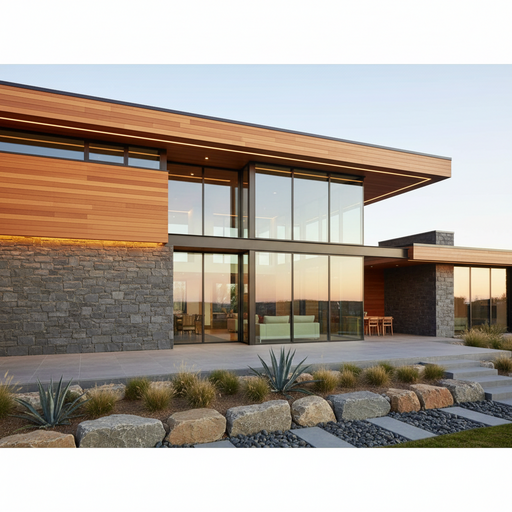
- Natural Stone: From rugged fieldstone to sleek cut limestone, natural stone offers unparalleled durability, timeless elegance, and incredible texture. It grounds a home, giving it a sense of permanence and luxury.
- Wood (Cedar, Redwood, Accoya): Wood brings warmth, organic beauty, and versatility. It can be used as cladding, siding, screens, or decorative accents. Different species offer various grains, colors, and weathering properties. Sustainable options like Accoya wood offer enhanced durability and stability.
- Brick: A classic choice, brick provides a sense of tradition, robustness, and requires minimal maintenance. Modern brick comes in an astonishing array of colors, sizes, and textures, allowing for both classic and contemporary expressions.
- Stucco/Render: This versatile material offers a smooth, seamless finish, perfect for modern, Mediterranean, or minimalist designs. It’s excellent for insulation and can be tinted to virtually any color, providing a consistent aesthetic.
- Metal (Zinc, Copper, Steel): For a truly modern or industrial edge, metal cladding offers sleekness, strength, and unique patinas that evolve over time. Zinc and copper develop beautiful natural finishes, while steel offers a raw, robust look.
- Fiber Cement (e.g., Hardie Board): An incredibly versatile and durable material, fiber cement can mimic the look of wood siding, shingles, or stucco, often with better longevity and less maintenance. It’s available in a wide range of colors and finishes.
- Glass: Large expanses of glass are hallmarks of modern architecture, inviting natural light and coecting interiors with the outdoors. It can create dramatic reflections and transparency, making a home feel open and airy.
Don’t be afraid to mix and match! Combining two or three complementary materials can add depth, contrast, and visual interest that a single material caot achieve. For example, the warmth of wood with the coolness of metal, or the solidity of stone with the lightness of glass.
Beyond the Surface: Elements That Elevate Your Facade Design
The facade isn’t just about the main cladding. It’s the interplay of all its components that creates a cohesive and stuing whole.
- Window and Door Selection: These are the “eyes” and “mouth” of your home. Their size, shape, material, and placement significantly impact the overall style, light intake, and views. Consider how they contribute to symmetry or asymmetry, and whether they are framed or frameless.
- Roofline and Overhangs: The roof’s shape—flat, gabled, hip—defines the home’s silhouette. Overhangs not only provide shade and protection from the elements but also add architectural interest and depth.
- Lighting: Exterior lighting is crucial for both functionality and aesthetics. Strategically placed up-lights, down-lights, path lights, and sconces can highlight textures, create shadows, and transform the facade’s appearance after dark, adding drama and welcoming warmth.
- Landscaping Integration: A truly custom facade extends into the landscape. Thoughtful planting, pathways, and hardscaping should complement the home’s style, creating a seamless transition from built environment to natural surroundings.
- Decorative Accents: These are the finishing touches that truly personalize your facade. This could include custom railings, unique pergolas, awnings, decorative screens, integrated planters, or a distinctive front door.
The Journey from Idea to Reality: Working with Professionals
Bringing a custom facade to life is a collaborative effort. While your vision is the cornerstone, professional expertise is essential to ensure beauty, functionality, and structural integrity.
- Architects: For complex designs, structural changes, and ensuring compliance with building codes, an architect is invaluable. They can translate your ideas into detailed drawings and manage the project vision.
- Designers: An exterior designer or a landscape architect can help refine your aesthetic choices, select materials, and ensure harmony between your home and its environment.
- Contractors: A skilled and experienced contractor specializing in custom exteriors is critical for executing the design with precision and quality craftsmanship.
Remember to establish a clear budget and timeline early on. Discuss permits and local regulations with your professionals to ensure a smooth construction process. This journey is an investment – not just of money, but of time and passion, resulting in a home that truly reflects who you are.
Conclusion
Your home is more than just a place to live; it’s a canvas for your life’s story. Opting for a custom exterior facade is an incredibly rewarding decision that elevates your home from ordinary to extraordinary. It’s about making a conscious choice to express your individuality, enhance your living experience, and create a lasting legacy of beauty and design.
From the initial sparks of inspiration to the selection of the perfect materials and the integration of every thoughtful detail, the process of designing a custom facade is an exciting adventure. So, dare to dream big, explore the vast world of possibilities, and prepare to unveil a home exterior that not only stands the test of time but also tells your unique story to everyone who sees it.


